Basement Waterproofing CollingwoodBASEMENT WATERPROOFINGCollingwood
Home Service areas

Service areas around Collingwood

The ground changes noticeably across this stretch of Georgian Bay — clay in the lowlands, sand along the shore, shallow soil over rock on the escarpment. It changes the repair too.

Coverage

Towns we work in

If your town is not on the list, ask anyway — the boundary is about travel time, not a line on a map.

  • Collingwood
  • Wasaga Beach
  • The Blue Mountains
  • Thornbury
  • Craigleith
  • Stayner
  • Creemore
  • Nottawa
  • Duntroon
  • New Lowell
  • Singhampton
  • Meaford

Address

204 Margaret St
Stayner, ON L0M 1S0

Phone

(647) 558-5751

Hours

Open 24 hours, 7 days

Serving

Collingwood, Wasaga Beach, The Blue Mountains and Clearview

Local ground

What we see where

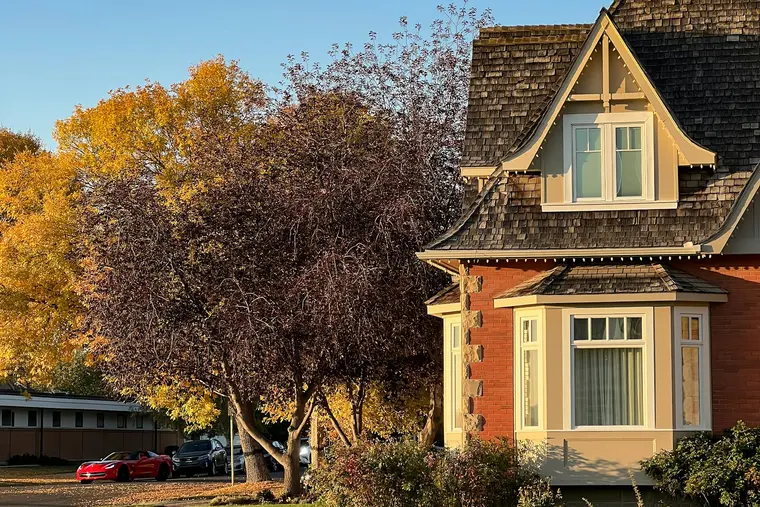
Two-storey brick house with a bay window under autumn trees

Collingwood

Two housing stocks in one town. The older core near Hurontario Street has stone and block foundations with original clay drainage, on a shallow floodplain. The subdivisions and chalet developments built since the 1990s have poured walls and plastic drains — their common failure is a shrinkage crack plus a downspout discharging into the backfill.
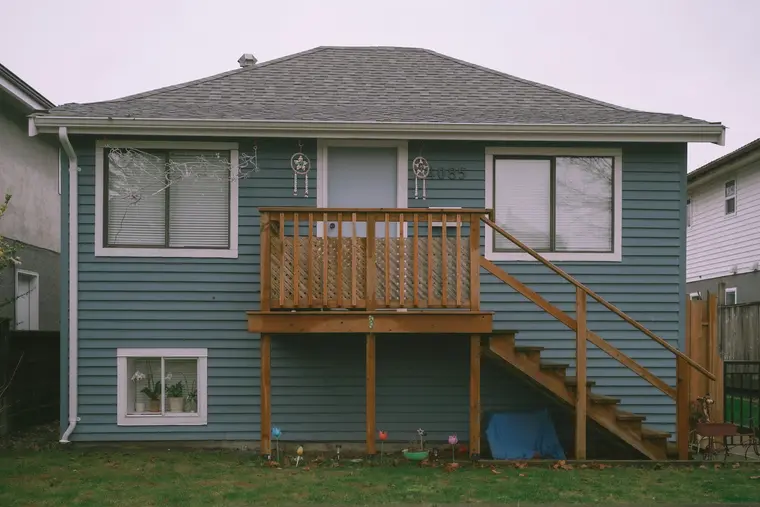
Blue-sided bungalow with a raised wooden deck and stairs

Wasaga Beach

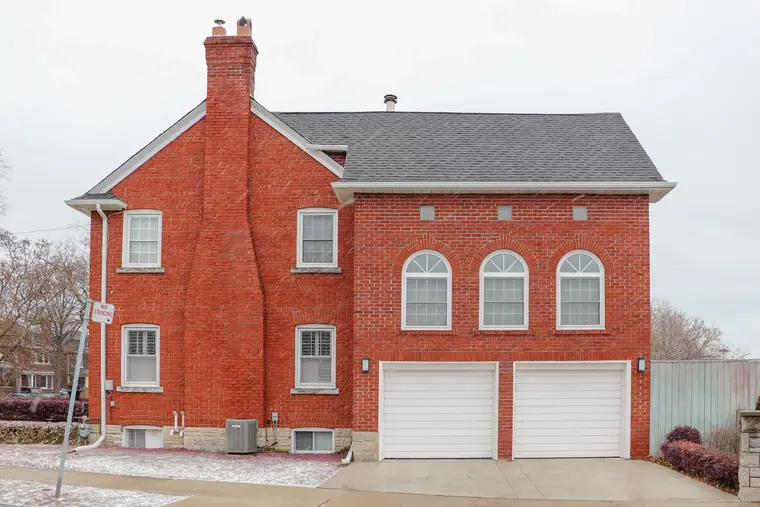
Sand, and a water table that moves with the bay. Water rarely sits against a wall long enough to soak through it; instead it comes up at the wall/floor joint and through the slab. Interior drainage into a properly sized pit is the usual answer, and sealing the wall alone is money wasted.

Red brick house with a double garage after a snowfall

The Blue Mountains, Thornbury and Craigleith

Escarpment slopes and a lot of walk-out and split-level basements built into a grade. Water arrives sideways along the slope, so it concentrates on the uphill elevation. Shallow soil over rock means backfill quality is decisive.

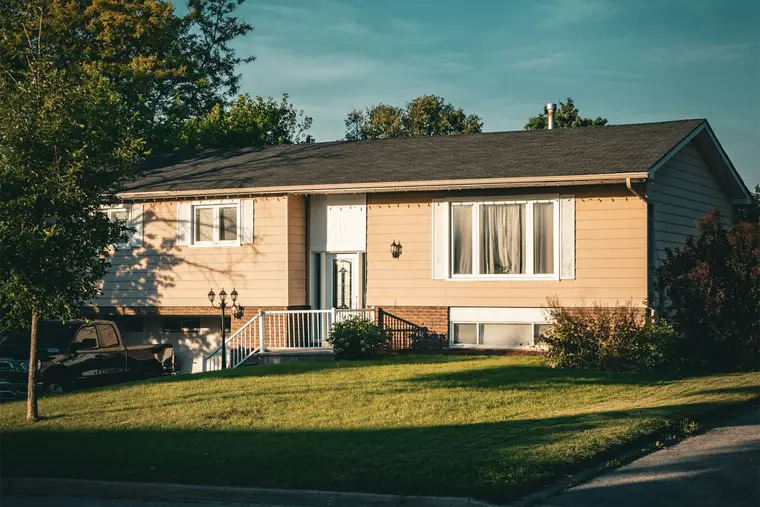
Split-level bungalow with a wide lawn in evening light

Clearview: Stayner, Creemore, Nottawa, Duntroon

Heavy clay and a lot of older rural and village housing, including block and rubble foundations that were never waterproofed to begin with. Slow steady pressure rather than sudden flooding — efflorescence, damp along a whole elevation, and mortar you can rake out with a screwdriver. Block walls are drained rather than injected, so it is usually exterior work or a replacement drain.

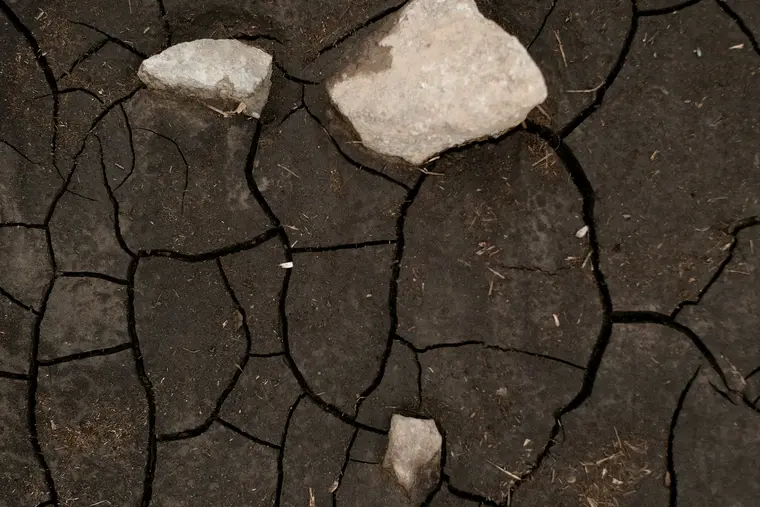
Cracked dark soil with stones, the mixed ground common on older village lots
Mixed fill on an older village lot: water finds a channel through it and arrives at one spot.

Timing

Why the melt is harder on a basement than a storm is

Across all of these towns the busiest weeks are the melt, not the thunderstorm season. A deep Georgian Bay snowpack releases into ground that is still frozen a foot down, so the meltwater cannot go vertically — it runs along the top of the frost, collects in the loose backfill beside your foundation, and stands there.

That is why so many basements here leak once a year, in the same fortnight, and are dry the rest of the time. It is also why "it only happens in spring" is not a reason to leave it.

What the assessment covers

Older basement corner with exposed pipework and a damp, dark foundation wall
Older village foundations around Clearview: the wall was never designed to be dry, only to hold the house up.

Working in your town this week

Tell us where the house is and what you are seeing, and we will arrange a look at it.

Call Book a free assessment