1. Where exactly is the water entering?
Not "the wall" — which wall, at what height, and what evidence says so.
From the first look at your basement to the test at the end. Nothing here is unusual — it is written down so you can hold us to it, and so you can compare it with anybody else quoting the same job.
In order
Where the water shows up, when it started, what the weather was doing. Photos help more than anything else.
Grade on every elevation, where the downspouts discharge, the foundation type, existing cracks, the sump if there is one.
What is happening and what we would do about it — interior drainage, exterior waterproofing, a crack injection or a new drain. Where two options are valid, you get both with the trade-off.
Exactly which walls, which method, what materials, what is reinstated and what is not.
Utility locates before excavation. Floor coverings and dust containment before any saw runs inside.
Water run through the finished system, pump cycled, discharge checked outside. Photos of what was behind the wall are yours.
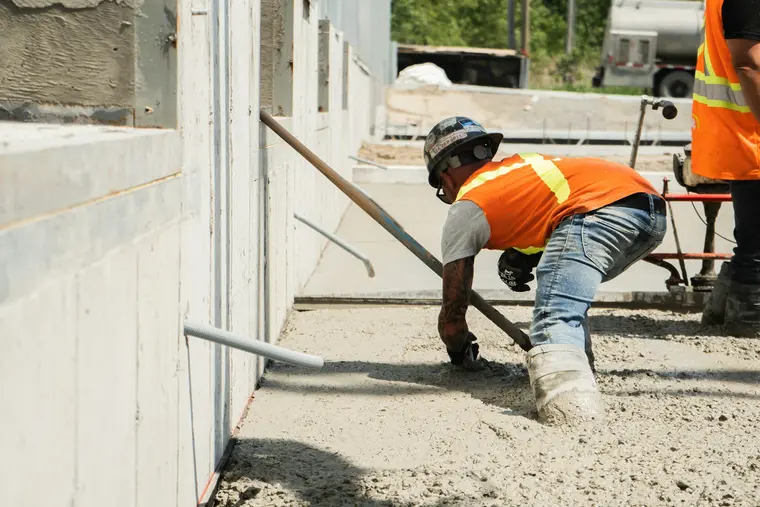
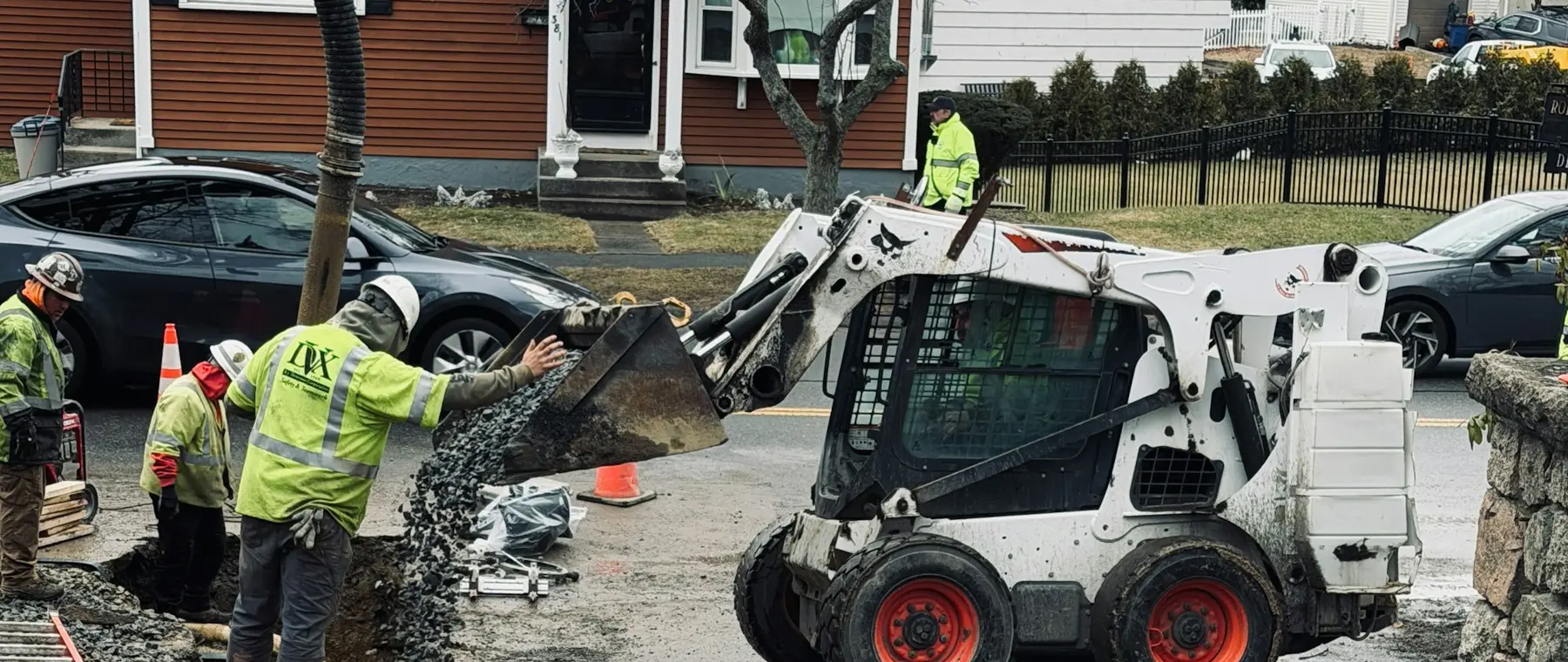
On the day
Nothing on this list is unusual. It is written down so you can hold us to it, and compare it with anybody else quoting the same job.
Comparing quotes
Including us. If a contractor cannot answer these on the spot, the number on the page does not mean much.
Not "the wall" — which wall, at what height, and what evidence says so.
There should be a reason to do with your house, not with what the crew is set up to do this month.
Clear washed stone and filter fabric, or native soil? This decides whether it silts up again.
To a sump, to daylight, or to a pipe nobody has traced? Ask them to show you the outlet.
Backfilled and seeded is not the same as sodded; interlock relaid is not the same as replaced.
If the answer is vague, that is the whole answer.
The exclusions list tells you more about a quote than the inclusions do.
Ask what the remedy is and get it in the same document as the price.
Money badly spent
Three things come up on nearly every assessment, and all three are money spent on the wrong side of the problem.
If someone has quoted you for one of these, we are happy to look at the quote with you.
Questions
Yes. We look at the basement, the outside of the house and the drainage, and tell you what we think is happening. If the answer is that you do not need work yet, that is the answer you get.
The scope and price are written up and sent to you after the visit, not scribbled on a clipboard at the door. That gives us time to check what we saw and gives you something you can compare like for like.
Clear access to the wall being worked on, inside or out, and somewhere the crew can put spoil and materials. For interior work, everything has to be out of the room first.
It costs nothing and it is the only way anyone can tell you what your basement is actually doing.