The method
How injection repair works
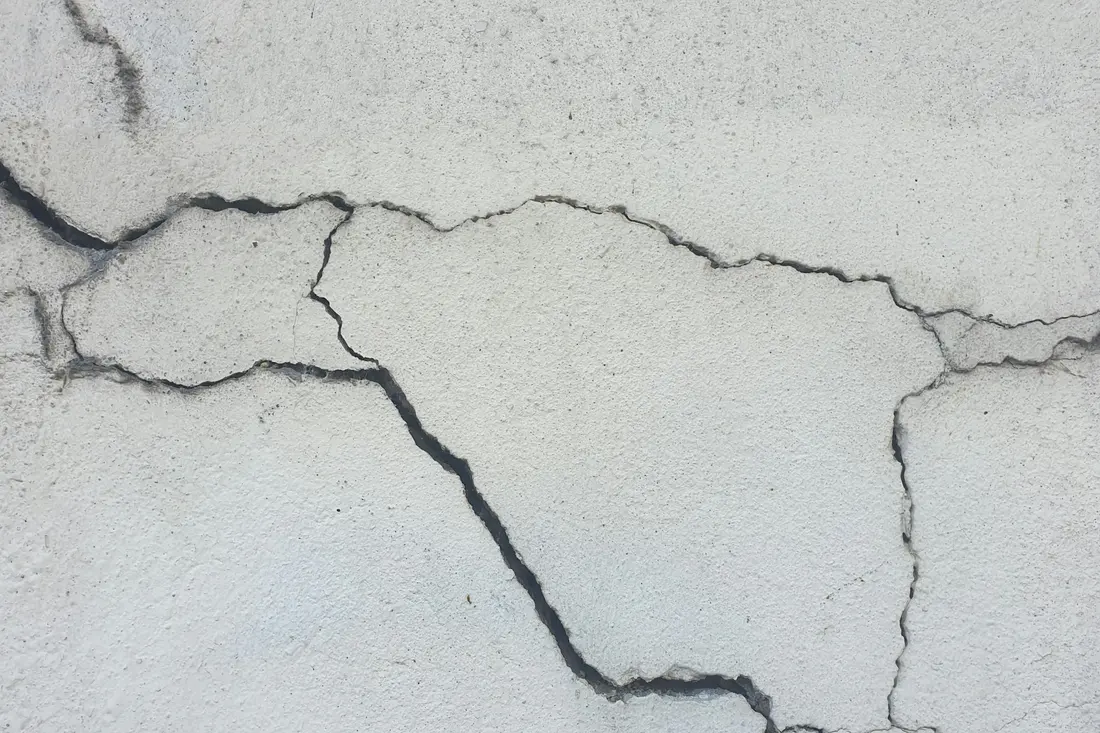
Ports are fixed along the crack, the face is sealed between them, and polyurethane resin is pumped in at low pressure from the bottom up. The resin travels through the full thickness of the wall, so the crack is filled front to back rather than skinned over.
Low pressure matters. Forcing resin in quickly blows the surface seal and fills the basement, not the crack. Done properly you watch resin appear at the next port up before moving the gun.
Triage
Reading a crack before you panic about it
| What you see | What it usually is | What to do |
|---|---|---|
| Fine vertical crack, uniform width, often from a window corner | Shrinkage crack in poured concrete | Inject it. Water problem, not a structural one. |
| Diagonal crack from a corner, hairline, not moving | Minor settlement, long finished | Inject it, and note the width to check again in a year. |
| Horizontal crack part-way up the wall | Lateral soil pressure — the wall is being pushed | Structural engineer first. Do not fill it and forget it. |
| Stair-step cracking through block mortar joints | Differential movement in a block wall | Engineer if it is opening; drainage if it is stable and leaking. |
| Crack where the two sides are offset out of plane | Active movement | Engineer. Nothing injectable fixes a wall that is still moving. |
Not sure which row you are looking at? Photograph it with a coin for scale and send it over.
Send a photo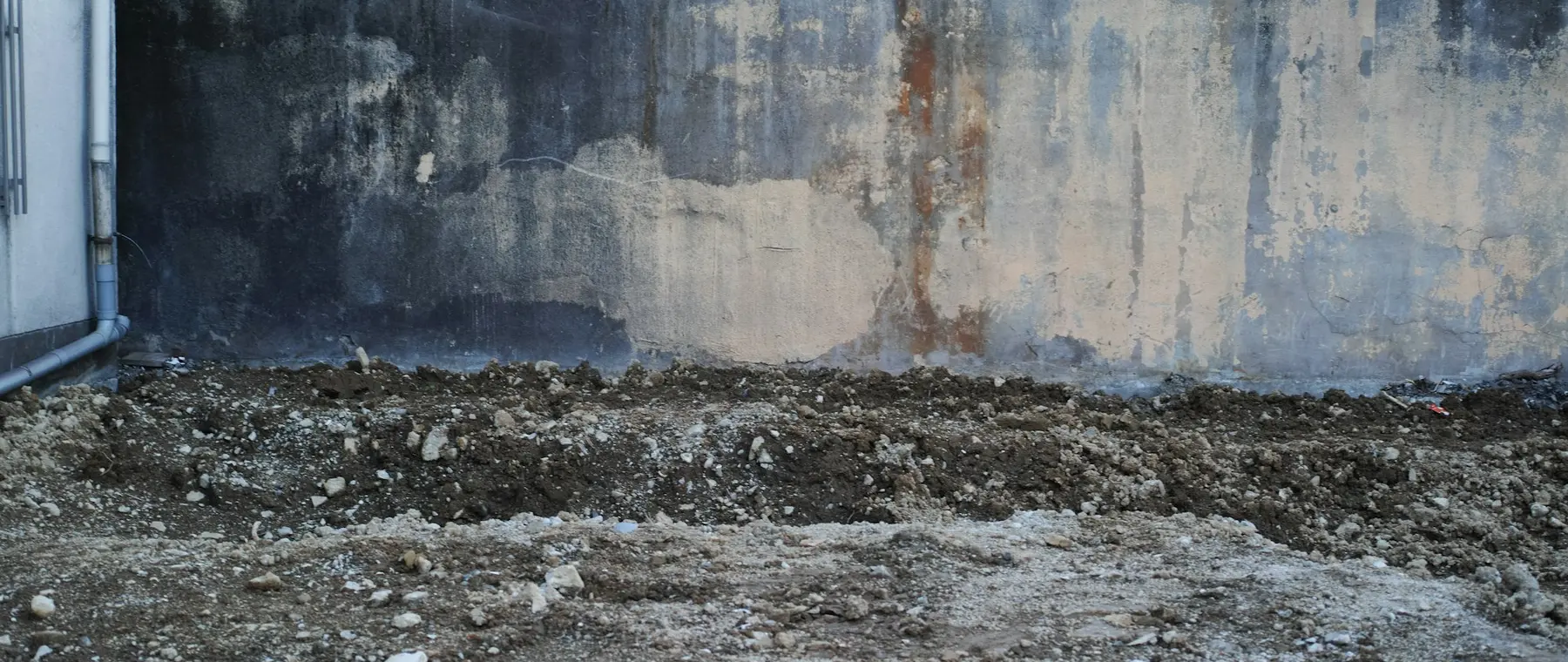
Older houses
Injection is a poured-wall repair
Block and rubble walls are hollow or irregular, so resin has nothing to travel through. Those leak through the mortar and get drained instead.
The catch
A repaired crack is not a waterproofed basement
Injection fixes the crack. It does not change why water was standing against that part of the wall — and where the drain at the footing has failed, the next crack is a question of when.
So when we inject, we tell you what we saw around it: whether the wall is dry either side, whether there is efflorescence on the rest of the elevation, whether the downspout above it discharges into the backfill.
You should hear the reasoning, not a quote for three more injections next year.
Questions
Questions about cracks
Is my crack structural?
Most vertical and diagonal hairline cracks in a poured wall are shrinkage cracks — they leak without threatening anything. The ones that need an engineer are horizontal cracks, cracks with the two faces offset out of plane, stair-stepping in block that keeps opening, and any crack measurably wider this year than last. If it is that kind, we will tell you to call a structural engineer rather than sell you an injection.
Can you inject a block wall?
Injection is a poured-concrete repair. Concrete block is hollow, so resin has nothing to travel through and will simply run down inside the cores. Leaking block walls are handled with drainage — interior or exterior — not with injection.
How long does the repair last?
Polyurethane stays flexible after it cures, so it tolerates the small seasonal movement that opens a rigid patch back up. A properly injected crack in a stable wall is a permanent repair.
Can I just use the epoxy kit from the hardware store?
You can, and on a fine dry crack it sometimes holds. The two things that go wrong are ports set too far apart, so the resin never travels the full length, and injecting a wet crack with a product that needs a dry substrate.
Elsewhere