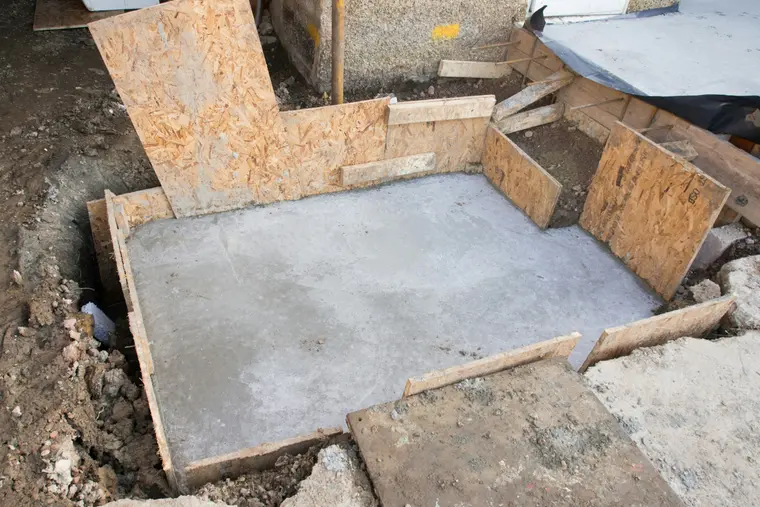
Interior drainage
The slab edge is cut back, a perforated pipe goes in clear stone beside the footing, and a membrane carries wall seepage into it. Runs in any season and leaves your yard alone.
Interior drainageCollingwood · Wasaga Beach · The Blue Mountains · Clearview
We find where the water is actually getting in, show you the evidence in your own basement, and put the repair in writing before anyone books a machine.
What we do
Which one you need depends on where the water enters — not on which one we would rather sell.
The slab edge is cut back, a perforated pipe goes in clear stone beside the footing, and a membrane carries wall seepage into it. Runs in any season and leaves your yard alone.
Interior drainage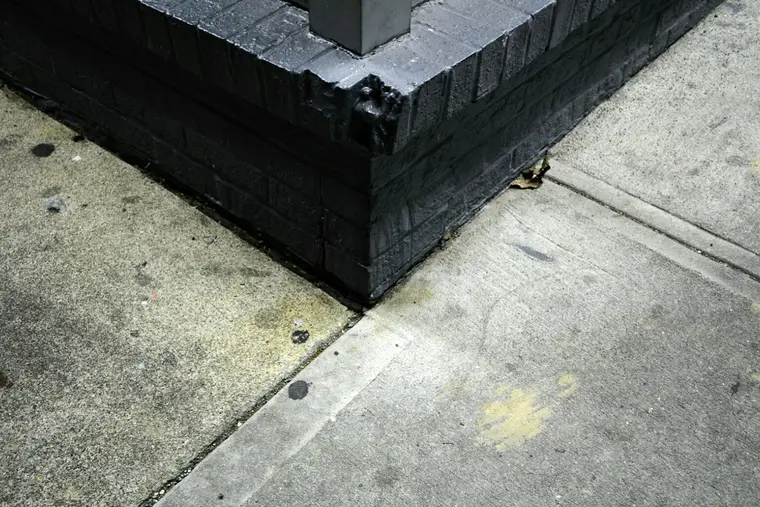
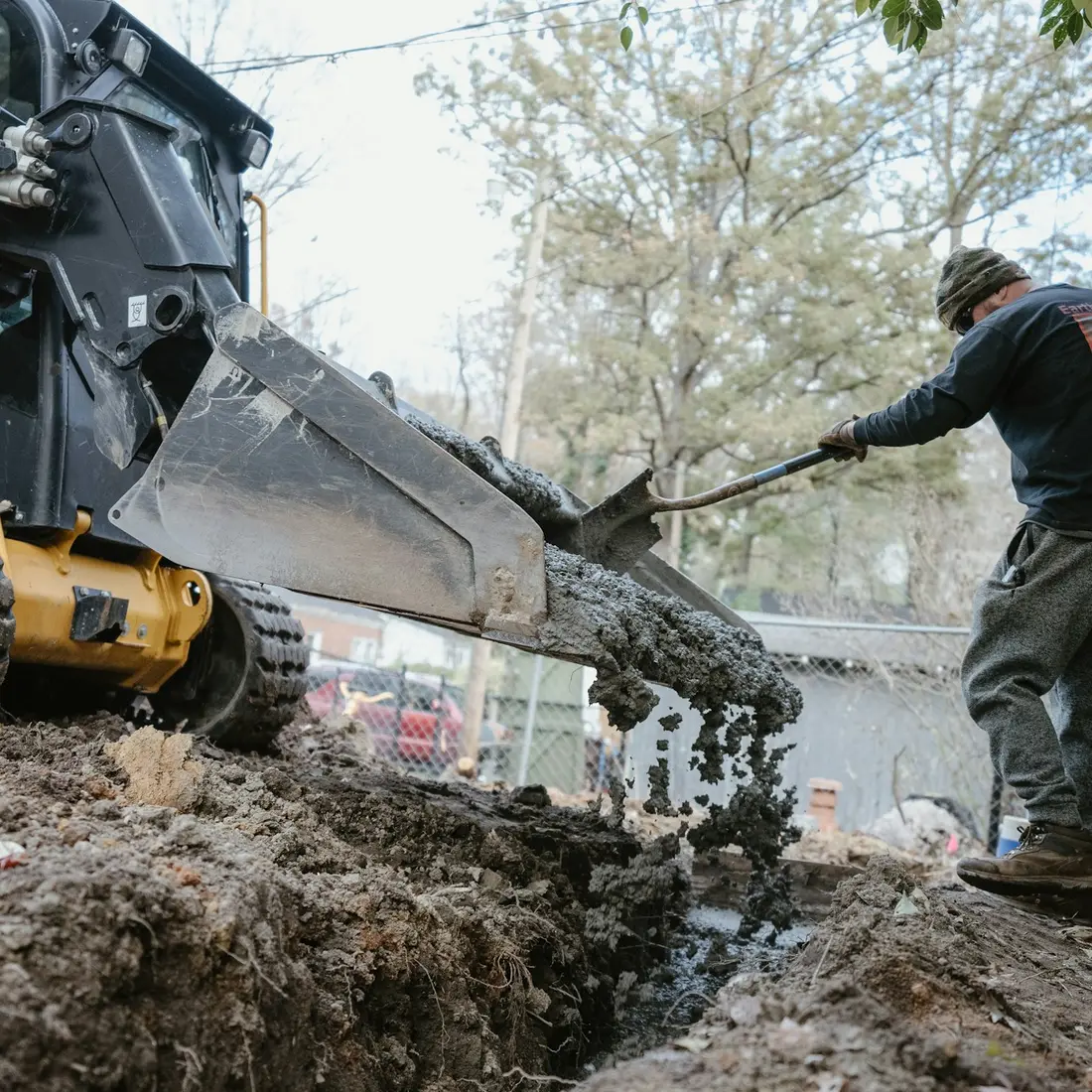
The wall is dug out to the footing, cleaned, sealed with a rubberised membrane and covered with dimple board, with a new drain in clear stone. The only method that keeps the wall itself dry.
Exterior waterproofing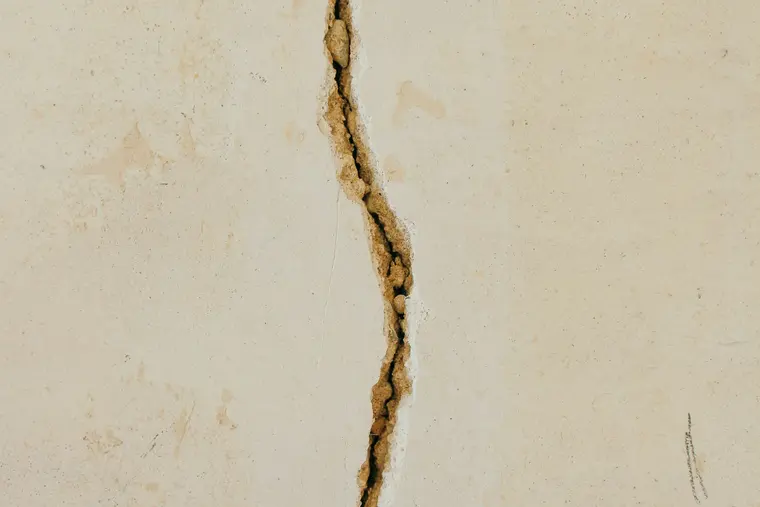
Ports along the crack, the face sealed between them, resin injected at low pressure so the crack fills front to back instead of being patched on the inside.
Foundation crack repair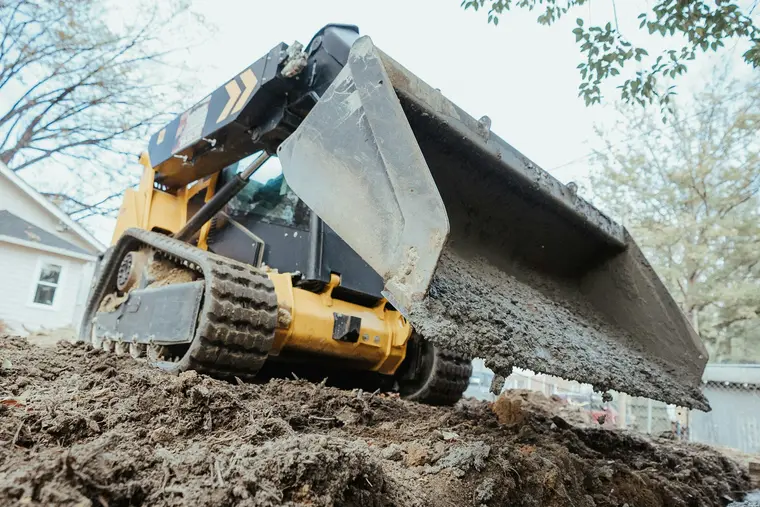
Clay tile around older Collingwood houses silts up or collapses. Replacement is perforated pipe bedded in clear stone and wrapped in filter fabric so it does not fill with fines again.
Weeping tile replacement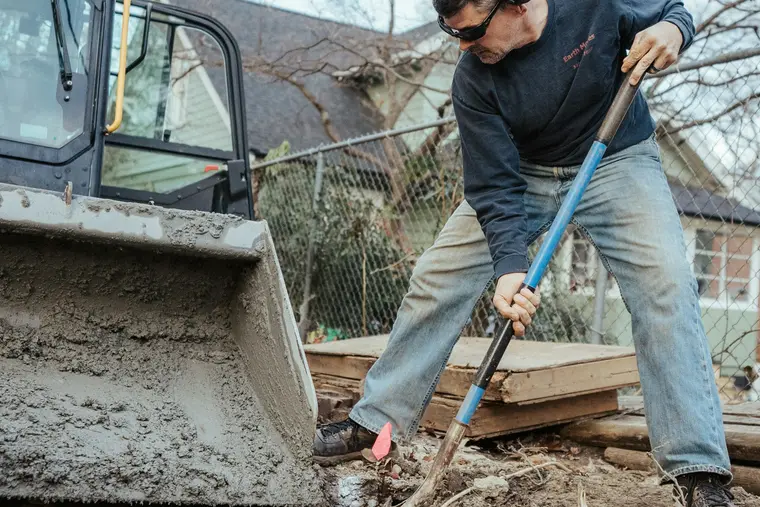
A pit sized for the water your house actually produces, a pump on a solid base clear of silt, a free-swinging float, a check valve, and a discharge line that ends far enough away to matter.
Sump pumps and pitsThat is the normal starting point. Book the assessment and we will tell you what the wall is doing — including when the answer is that you do not need us yet.
Book an assessmentNot sure which one describes your basement? Tell us what you are seeing and we will look at it.
Book a free assessmentTwo-second check
Pick the line that matches your basement and we will point you at the repair that actually deals with it.
Pick the closest match
Why it happens here
The old part of town sits on a shallow floodplain between the Niagara Escarpment and Nottawasaga Bay. Runoff comes off the escarpment, the clay under most lots holds it against the wall, and the water table near the harbour is high.
Walls here are under pressure for weeks at a time, not minutes.
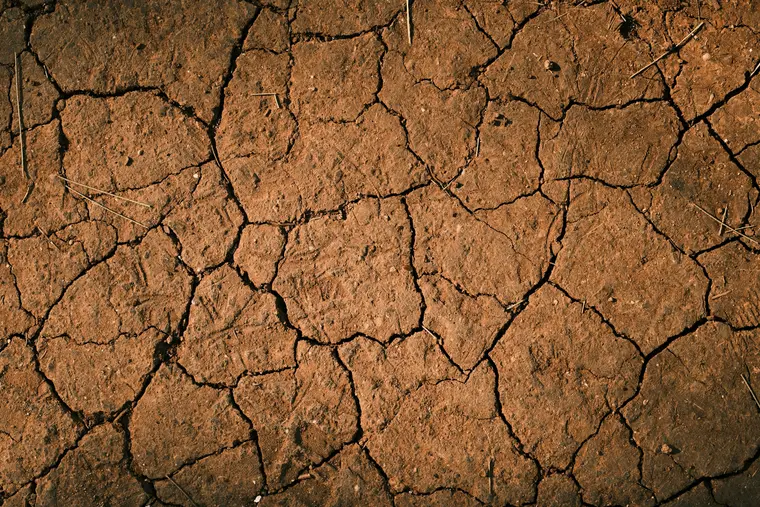

Spring, not storms. A deep Georgian Bay snowpack releases into ground that is still frozen underneath, so meltwater runs sideways along the frost and collects in the backfill beside your wall. That is why so many basements here leak once a year, in the same fortnight. More on what we see in each town.
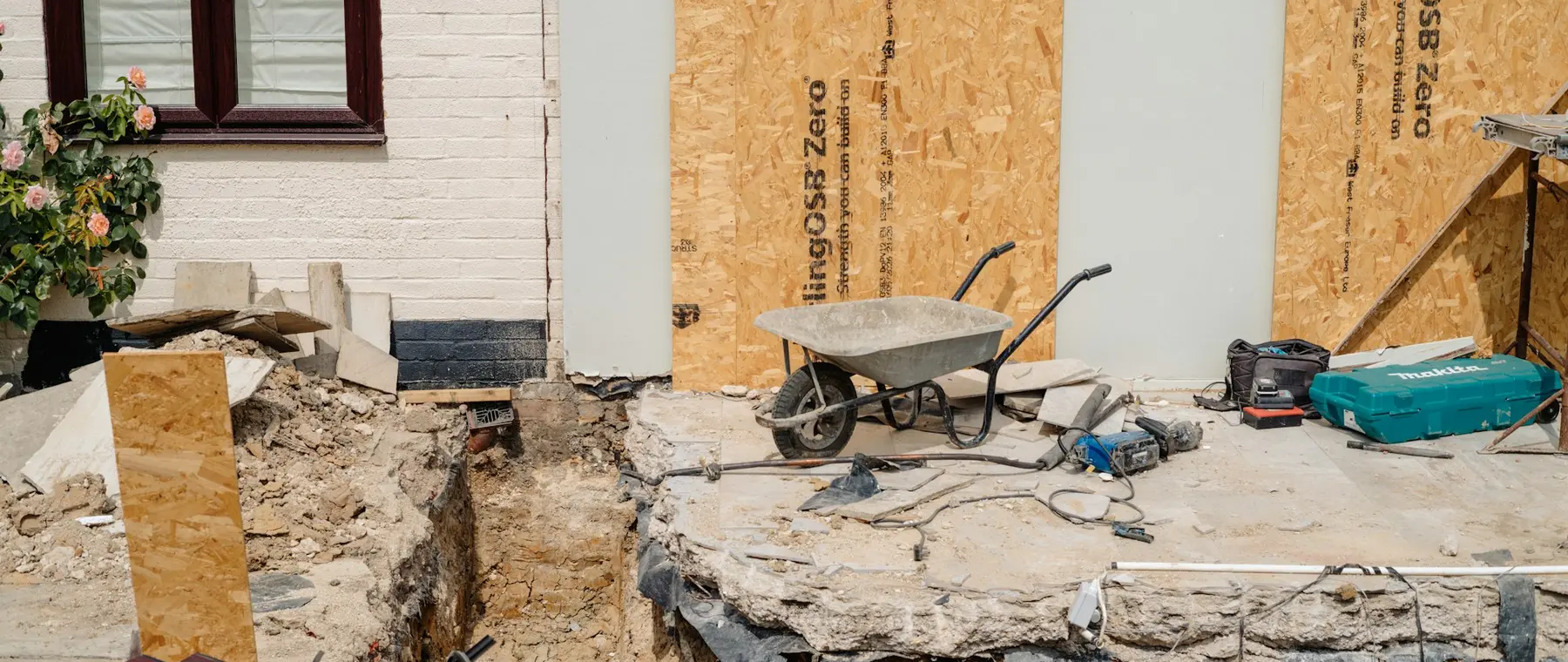
Materials
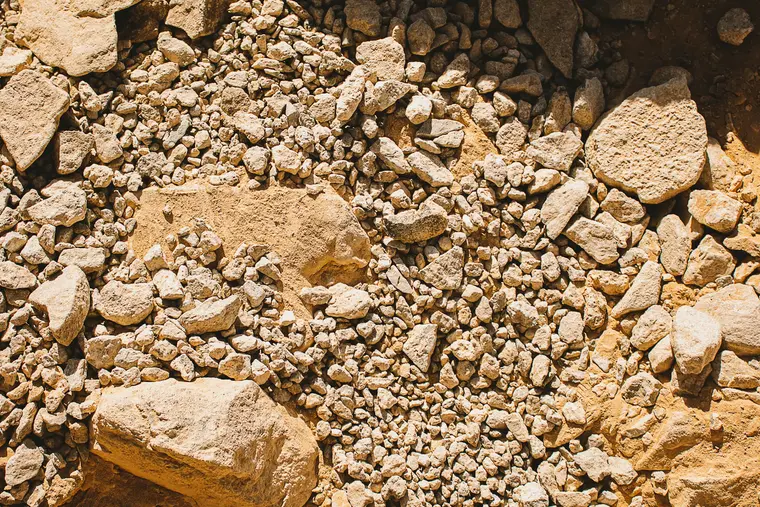
Clear washed stone around it and filter fabric around that are what decide whether a new drain still runs in fifteen years.
Choosing
Both work. They solve different problems, and the wrong one is expensive twice.
From outside
From inside
Warning signs
Three things people describe to us months ahead of the day there is water on the floor.
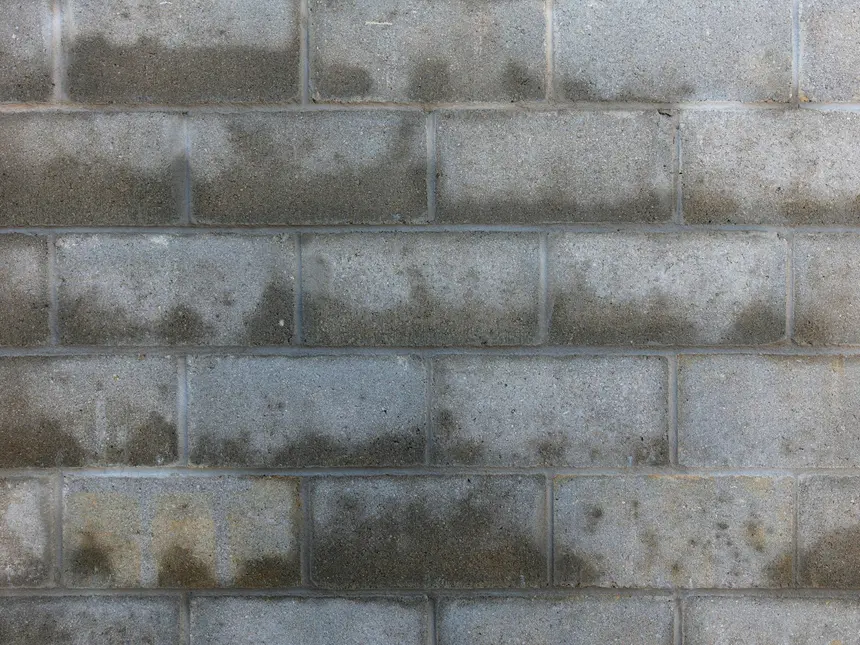
Growing on the bottom metre and nowhere else means the wall is wetting from behind, not from the room air.
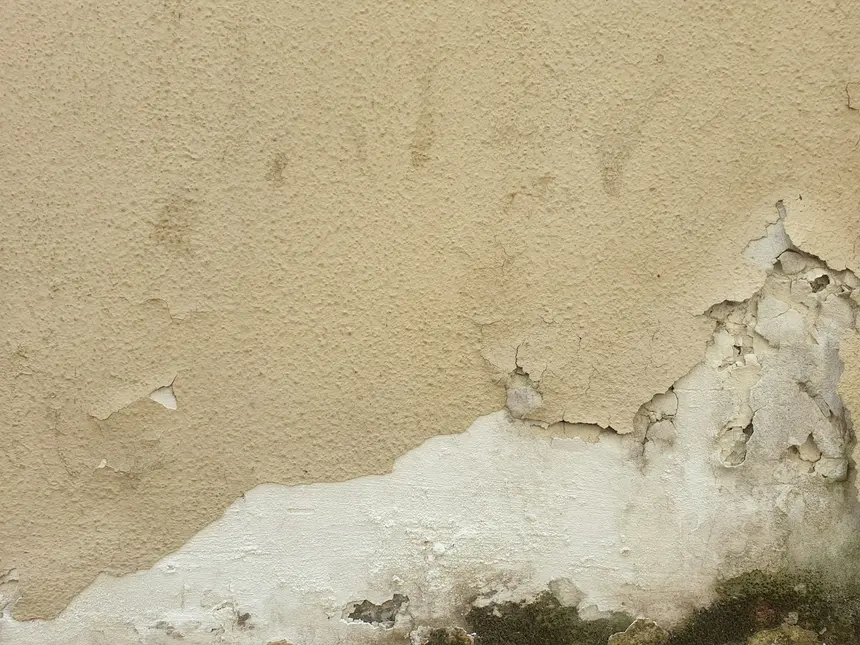
Water pushing out through the wall breaks the bond behind the coating. Repainting is the one repair guaranteed to fail.
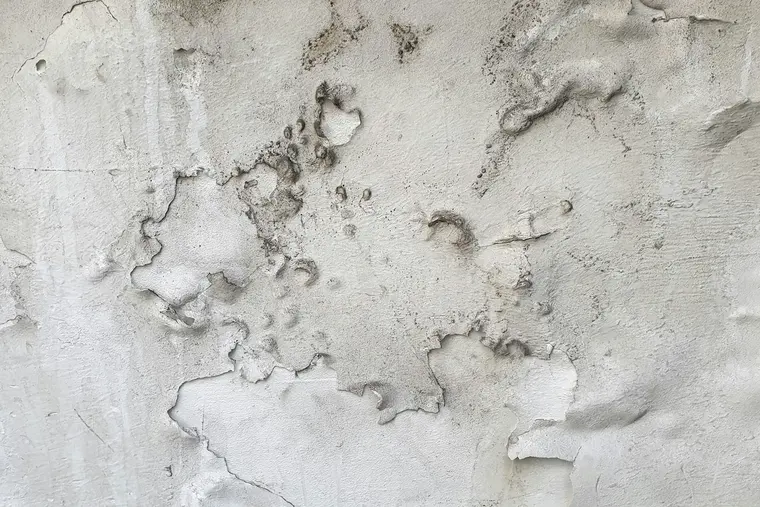
Salt left behind after water passed through the concrete and evaporated. Proof that water is moving through the wall.
How it runs
The complaints we hear about other basement work are rarely about the drainage. They are about not knowing what happens next.
Basement, outside grade, downspouts, age of the drain. No charge.
Which walls, which method, what is included and what is not.
Dust contained inside; services located and marked outside.
In the sequence you were shown, with photos of what is behind the wall.
Water down the system, pump cycled, discharge checked, site cleaned.
Coverage
Collingwood and the towns around it, from the Wasaga sand flats to the escarpment.
Phone
Hours
Open 24 hours, 7 days
Serving
Collingwood, Wasaga Beach, The Blue Mountains and Clearview
Questions
Nobody can price it honestly from a phone call. The number comes from how many feet of wall have to be treated, how deep the footing is, whether a machine can reach the wall, and what has to be put back afterwards — a deck, a driveway or mature planting can cost more to restore than the drainage itself. We look at the house, then put the scope and the price in writing.
Exterior work is the only method that keeps water out of the wall itself, so it is right when the wall is damp through or the original drain has failed. Interior drainage manages water that has already reached the wall and sends it to a sump — far less disruptive, and often the only realistic option under a deck or a driveway. Most houses need one of them, not both.
Interior drainage, crack injection and sump work run year-round — that work happens inside a heated house. Exterior excavation depends on frost depth and access; between roughly December and March we will usually tell you honestly that waiting until the ground opens gives a better result for the same money.
Yes — Wasaga Beach, The Blue Mountains including Thornbury and Craigleith, Stayner, Creemore, Nottawa, Duntroon, New Lowell, Singhampton and Meaford. Full list of service areas.
Book the on-site assessment. You get a straight answer about what your wall is doing, and a written price if there is work to do.